UK Government stories
Poor broadband can now put buyers off a home altogether, with 23% saying slow service would make them walk away.
Fragmented project and finance tools are leaving most large UK builders without a fully integrated view of costs, risk and progress.
Around 660 staff across five sites will move to a single UK-hosted platform as HM Land Registry seeks faster, more secure support.
Electric car buyers are asking AI far more questions than sales staff, underscoring a confidence gap as ministers rethink EV mandates.
The move opens the network to aerospace, defence and industrial firms grappling with the same software, security and systems challenges as automakers.
The funding backs Scotland's first AI Growth Zone, with two sites set to create hundreds of jobs and cut reliance on overseas compute capacity.
Councils have blocked more than GBP £6 million in bogus housing buy deals after a data-sharing scheme widened to tackle wider public sector fraud.
Britain could miss the bigger economic prize if ministers focus on AI start-ups rather than skills, adoption and productivity gains.
Only 29% of UK tech staff are women or non-binary, as the software supplier backs mentoring and career support to narrow the gap.
Public bodies can now buy inploi's recruitment platform more easily, as G-Cloud 15 opens access for NHS trusts, councils and departments.
Losses still ran to GBP £703.4 million as Ecommpay said ministers must widen the fraud review to cover platform liability and SIM-swap crime.
UK CISOs and senior cyber executives will examine resilience, third-party risk and practical AI use at a London cyber security forum.
UK government trials the appliance as organisations weigh tighter control of sensitive data against rising cloud AI costs.
A YouGov survey of 1,011 senior decision-makers found 70 per cent of firms have no formal way to assess modern slavery risks.
More than 500 people will sleep outdoors in four UK cities as tech firms help Action for Children raise funds and awareness of child poverty.
This could speed UK adoption of controlled AI in hospitals, councils and other regulated sectors by shaping a sovereign frontier model.
Demand for trusted location data lifted annual sales as utilities, councils and consumers used new services to cut risk and plan infrastructure.
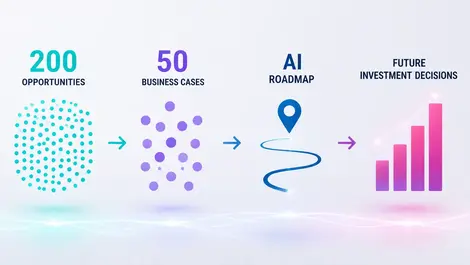
The 24-week review will give Solihull Council an evidence base for AI spending, with hundreds of possible use cases under scrutiny.
Malware and phishing risks are rising for UK employers as many staff use company smartphones to access illegal streams, a survey finds.
The funding will help more enterprises shift older data systems onto Databricks tools as demand for AI deployment services accelerates.